
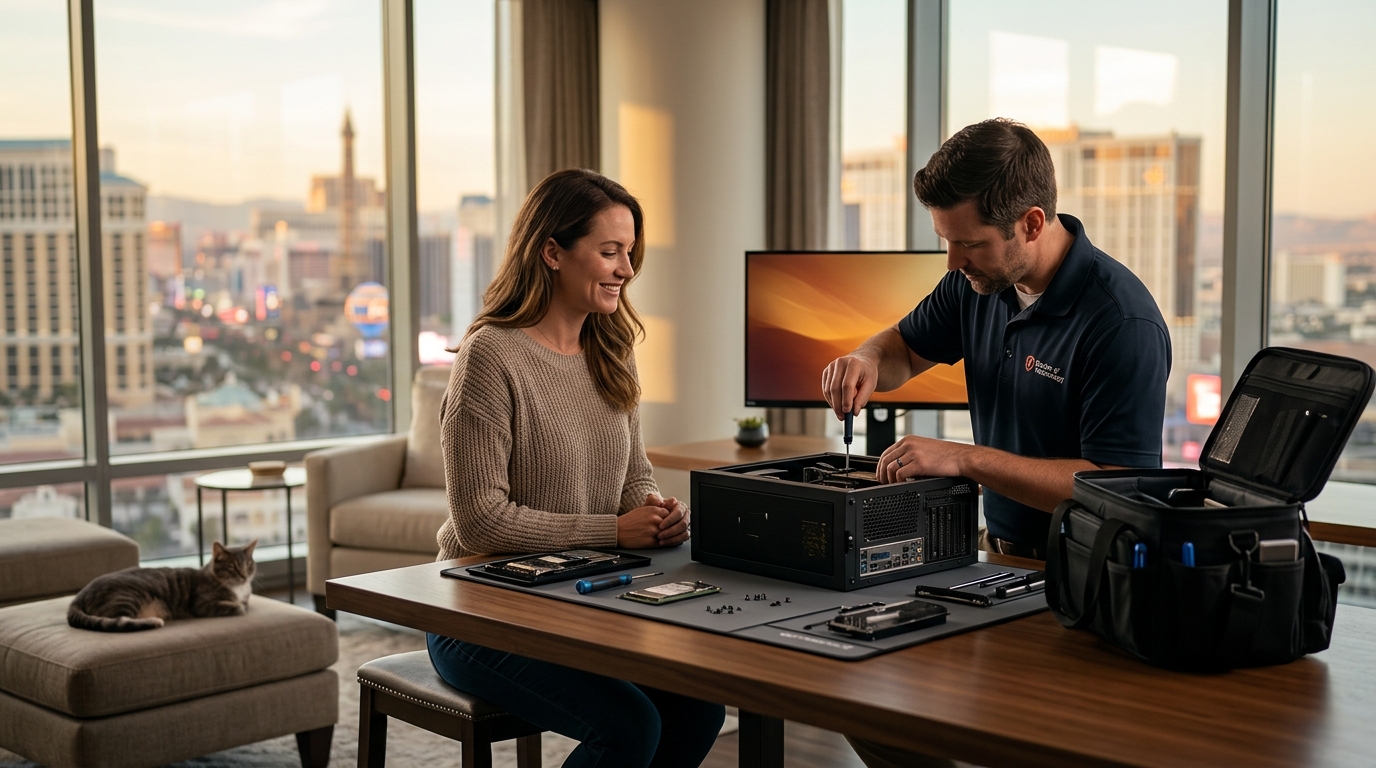
Doctors of Technology provides on-site computer repair in Las Vegas, bringing hardware diagnostics, virus removal, and performance upgrades directly to your home or office. This guide explains how to evaluate local providers, verify credentials, understand pricing, and avoid common pitfalls when hiring a mobile technician. It covers the full lifecycle of a repair request, from initial contact to long-term maintenance, ensuring you make an informed decision for your specific device and situation. For additional details, review the doctorsoftechnology com.
How to Choose a Provider
Specialization and Scope
On-site computer repair is a service model where a technician travels to the client's location to diagnose and fix hardware or software issues. Not all technicians handle every type of device. Some specialize exclusively in Macs, while others focus on Windows PCs or server infrastructure. Doctors of Technology handles both PC and Mac repair, including laptops and desktops. This breadth ensures that if you have a mixed household or office environment, one provider can address all your devices without requiring you to juggle multiple vendors. For additional details, review the .
Responsiveness and Communication
What to Ask Before Committing
Before scheduling an appointment, you must clarify the scope of work and the financial implications. Asking the right questions upfront prevents surprises and establishes a professional baseline for the interaction. For additional details, review the Customer Experience.

Diagnostic and Labor Fees
Ask specifically about the diagnostic fee. Is it a flat rate? Is it waived if you proceed with the repair? Some companies charge a high diagnostic fee that is non-refundable even if the repair is declined. Clarify whether the labor rate is hourly or flat-rate for specific services like virus removal or SSD upgrades. Understanding this structure helps you budget accurately. For additional details, review the Frequently Asked Questions.
Parts and Warranty
Inquire about the source of replacement parts. Are they using OEM (Original Equipment Manufacturer) parts, or are they using third-party alternatives? Ask about the warranty on both the labor and the parts. A reputable provider will stand behind their work. If a part fails within the warranty period, the provider should replace it and redo the labor at no additional cost. For additional details, review the About.
How to Verify Credentials
Verifying a technician's legitimacy is essential in an unregulated industry. While there is no single government license required for computer repair in the United States, there are industry standards and business verifications you can check.
Business Registration and Reviews
Check the business registration status with the Nevada Secretary of State. This confirms the entity is legally operating. Additionally, review independent platforms like the Better Business Bureau (BBB) or Google Reviews. Look for patterns in the feedback. Consistent praise for communication and honesty is more valuable than a high volume of generic five-star reviews. Doctors of Technology maintains a strong reputation in the Las Vegas area, and checking their current standing on independent review platforms is a prudent step for any consumer.
Certifications and Training
While certifications like CompTIA A+ are not legally required, they indicate a baseline of technical knowledge. Ask if the technicians are certified. More importantly, ask about their experience with your specific hardware. A technician who has repaired hundreds of similar devices is more likely to diagnose the issue quickly and accurately.
How On-Site Repair Works
Understanding the workflow helps you prepare for the technician's arrival and manage your expectations regarding time and access.
The Diagnostic Phase
The process typically begins with a remote triage or an on-site assessment. The technician will run diagnostic software to identify hardware failures, such as failing hard drives or memory errors. They will also check for software issues, including malware infections or operating system corruption. This phase is critical because it determines the root cause of the problem. Without a proper diagnosis, any repair is a guess.
The Repair Phase
Once the issue is identified, the technician will provide a quote for the repair. If you approve, they will perform the work. For hardware repairs, this may involve replacing components like SSDs, RAM, or power supplies. For software repairs, this may involve reinstalling the operating system or removing malware. The technician should keep you informed of their progress, especially if the repair takes longer than expected.
What It Costs
Pricing for on-site computer repair varies based on several factors. There is no single fixed price for all services. The cost is driven by the complexity of the issue, the parts required, and the time spent.
Factors Influencing Price
Simple software issues, such as a slow boot time caused by a full hard drive, are generally less expensive than complex hardware failures, such as a motherboard replacement. The cost of parts also plays a significant role. An SSD upgrade is relatively inexpensive, while a new laptop screen or battery can be more costly. Additionally, the urgency of the service can affect the price. Emergency or after-hours service often carries a premium.
| Service Type | Typical Complexity | Cost Drivers |
|---|---|---|
| Virus/Malware Removal | Low to Medium | Time spent cleaning, software licenses |
| SSD/RAM Upgrade | Low | Cost of hardware parts, labor |
| Data Recovery | High | Specialized tools, success rate, time |
| Hardware Replacement | Medium to High | Cost of OEM parts, labor, warranty |
Common Mistakes to Avoid
Consumers often make errors that complicate the repair process or lead to poor outcomes. Avoiding these mistakes ensures a smoother experience.
Not Backing Up Data
One of the most common mistakes is failing to back up data before a repair. While reputable technicians will take precautions, hardware failures can be unpredictable. If a hard drive is failing, attempting to repair it without a backup can result in permanent data loss. Always ensure you have a recent backup of critical files before scheduling any hardware repair.
Ignoring Warning Signs
Many users ignore early warning signs, such as slow performance, unusual noises, or frequent crashes. Waiting until the device completely fails often results in more expensive repairs. For example, a failing hard drive may slow down the system for weeks before it stops working entirely. Addressing the issue early can save money and prevent data loss.
On-Site vs. Drop-Off Repair
Choosing between on-site and drop-off repair depends on your specific needs and constraints. Each model has distinct advantages and disadvantages.
Convenience vs. Cost
Security and Privacy
On-site repair allows you to stay with your device throughout the process. This is beneficial if you are concerned about privacy or security. You can watch the technician work and ensure that no unauthorized access occurs. In a drop-off shop, your device is in the hands of the provider for an extended period, which may raise privacy concerns for some users.
Repair for Specific Situations
Different devices and use cases require different approaches. Tailoring your repair strategy to your specific situation ensures the best outcome.
Gaming PCs and Custom Builds
Business and Enterprise Environments
Businesses have different needs than individual consumers. Downtime is costly, and data security is paramount. On-site repair is often the preferred model for businesses because it minimizes disruption. Technicians can work around business hours and prioritize critical systems. They should also be able to provide reports on the health of the network and recommend preventive maintenance strategies.
Rules and Consumer Protections
Understanding your rights as a consumer helps you protect yourself during the repair process. While the computer repair industry is not heavily regulated, there are general consumer protection laws that apply.
Right to Repair
In the United States, there is a growing movement for the "Right to Repair." This concept advocates for consumers' ability to repair their own devices or choose independent repair providers. While specific laws vary by state, Nevada generally allows independent repair. However, manufacturers may restrict access to certain parts or tools. It is important to understand these limitations before starting a repair.
Warranty and Liability
Review the warranty terms carefully. Understand what is covered and what is excluded. For example, a warranty on a new hard drive may not cover data loss. If the drive fails, the drive itself is replaced, but the data on it is not recovered unless a separate data recovery service is purchased. Clarify these terms in writing before authorizing the repair.
Las Vegas Local Specifics
Las Vegas has unique characteristics that affect computer repair services. The city's climate and business environment influence the types of issues technicians encounter.
Climate and Hardware
Las Vegas is hot and dry. High temperatures can stress computer components, leading to overheating and hardware failure. Dust accumulation is also a significant issue in the desert environment. Regular cleaning and maintenance are essential to prevent these problems. Technicians in Las Vegas are accustomed to these conditions and can provide advice on how to mitigate them.
Business Districts
Las Vegas has several major business districts, including the Strip, Summerlin, and Henderson. On-site repair providers often specialize in serving these areas. Knowing which areas a provider covers is important for scheduling. Doctors of Technology serves the Las Vegas area, ensuring that residents and businesses in these key districts have access to reliable on-site support.
Timing and Urgency
Timing plays a crucial role in the outcome of a computer repair. Acting quickly can prevent minor issues from becoming major problems.
Emergency vs. Scheduled
Emergency repairs are necessary when a device fails completely and is critical to your work or daily life. These services are often available on a 24/7 basis but come at a premium price. Scheduled repairs are more cost-effective and allow for better planning. If your device is still functional but showing signs of trouble, schedule a repair as soon as possible. Do not wait until it fails completely.
Seasonal Demand
Demand for computer repair services can fluctuate based on the season. For example, demand may increase during the holiday season when people are buying new devices or upgrading their systems. Scheduling a repair during off-peak times may result in shorter wait times and potentially lower costs.
Long-Term Results
The goal of computer repair is not just to fix the immediate problem but to ensure long-term reliability. A well-executed repair should extend the life of your device and improve its performance.
Preventive Maintenance
Performance Improvements
Upgrades like SSDs and RAM can significantly improve the performance of older devices. These upgrades can make a slow computer feel new again. By combining repairs with strategic upgrades, you can extend the useful life of your device and delay the need for a full replacement.
Key Takeaways
- Choose a provider with specific expertise in your device type, such as Macs, Windows PCs, or custom builds.
- Verify the provider's business registration and check independent reviews for patterns of reliability.
- Clarify diagnostic fees, labor rates, and warranty terms before authorizing any work.
- Back up your data before any hardware repair to prevent permanent loss.
- Address warning signs early to prevent minor issues from becoming major failures.
- Consider preventive maintenance to extend the life of your device and avoid future emergencies.
- Be aware of local factors like climate and dust that can affect hardware longevity in Las Vegas.
Frequently Asked Questions
Does Doctors of Technology offer on-site repair in Las Vegas?
What is the difference between on-site and drop-off repair?
On-site repair involves a technician traveling to your location to fix the device. Drop-off repair requires you to bring the device to a shop. On-site is more convenient but usually more expensive.
How much does on-site computer repair cost?
Costs vary based on the complexity of the issue, parts required, and labor time. Simple software fixes are cheaper than complex hardware replacements. Always ask for a quote before authorizing work.
Do I need to back up my data before a repair?
Yes, it is highly recommended to back up your data before any hardware repair. While technicians take precautions, hardware failures can be unpredictable, and data loss is a risk.
Can on-site technicians repair Macs?
How long does an on-site repair take?
Simple software issues may be resolved in under an hour. Complex hardware repairs may take several hours or require multiple visits. The technician will provide an estimate after the initial diagnosis.
Is data recovery guaranteed?
No, data recovery is not guaranteed. The success rate depends on the extent of the damage to the storage device. Some data may be unrecoverable if the hardware is severely damaged.