

The Strategic Value of Managed IT Services
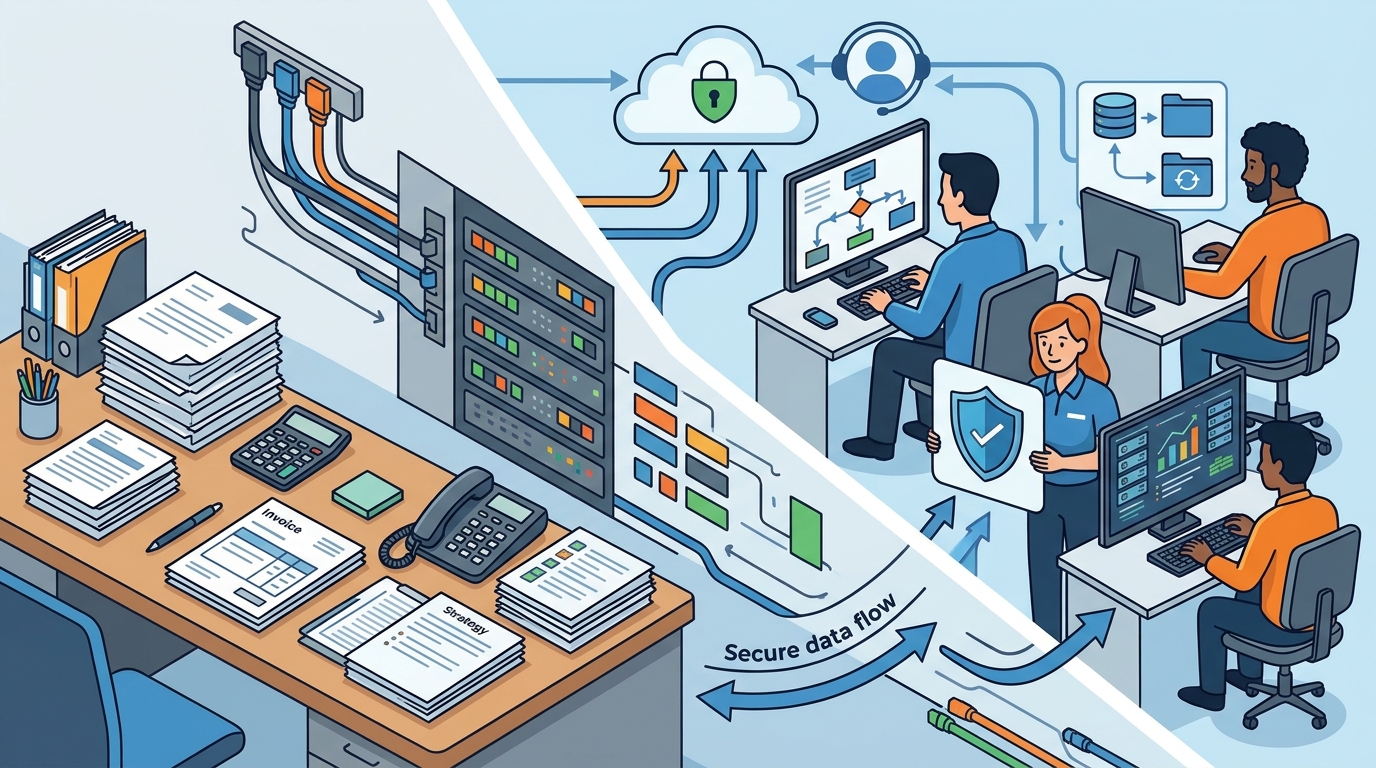
Managed IT services is a business model where a provider assumes responsibility for managing and optimizing a client's IT infrastructure. For small businesses, this approach transforms IT from a cost center into a strategic asset. Instead of hiring a single generalist who may lack specific expertise in cloud security or network architecture, owners gain access to a team of specialists. This collective expertise ensures that complex issues are resolved with precision and speed.
Cost Efficiency and Predictable Budgeting
One of the most significant drivers for outsourcing is financial predictability. In-house IT roles often come with high salaries, benefits, and training costs. Additionally, the cost of downtime is rarely factored into the budget until it happens. Managed IT services typically operate on a per-user or per-device monthly fee. This flat-rate structure allows small business owners to budget accurately and avoid unexpected capital expenditures for hardware or software licenses.
Security and Compliance in a Digital World
Cybersecurity threats have evolved rapidly, targeting small businesses with sophisticated phishing attacks and ransomware. Small business owners often lack the time to stay current on the latest security protocols. A managed IT provider implements layered security defenses, including firewalls, endpoint protection, and regular patch management. This proactive stance is critical because most breaches occur due to unpatched vulnerabilities or human error.
Compliance is another major factor. Depending on the industry, businesses may need to adhere to regulations like HIPAA or PCI-DSS. Managing these requirements in-house is complex and risky. Outsourcing to a provider experienced in compliance ensures that data handling, storage, and access controls meet legal standards. The implication is reduced liability. By delegating security to experts, owners mitigate the risk of data breaches that can result in fines, lawsuits, and reputational damage.
Scalability and Business Growth
For example, a retail business opening a new store needs immediate network setup, point-of-sale integration, and security configuration. An MSP can deploy these systems in days, whereas an in-house team might take weeks. The ability to scale up or down based on business cycles is a key advantage. It allows owners to align IT spending with revenue growth, ensuring that technology investments yield a positive return on investment.
Choosing the Right Provider
It is also important to assess the provider's approach to communication. Do they proactively inform you of potential issues, or do they only react to tickets? A good MSP acts as a strategic partner, offering advice on technology trends and cost-saving opportunities. The implication of choosing the right partner is a long-term relationship that drives business success. It is not just about fixing computers; it is about enabling the business to operate efficiently and securely.
Key Takeaways
- Managed IT services shifts IT from a reactive cost to a proactive strategic asset.
- Outsourcing provides predictable monthly costs, avoiding the high overhead of in-house salaries and benefits.
- Scalability is a major benefit, allowing IT infrastructure to grow or shrink with business needs.
- Choosing a provider with industry-specific experience and strong communication skills is critical for success.
- Service level agreements (SLAs) ensure predictable response times, reducing business downtime.
Frequently Asked Questions
What is the main difference between in-house IT and managed IT services?
How much does managed IT cost for a small business?
Costs vary based on the number of users and devices, but it is typically a flat monthly fee per user. This is often significantly lower than the total cost of hiring a full-time IT manager.
Can I still have control over my IT systems?
Yes, you retain ownership of your hardware and data. The provider manages the systems on your behalf, but you approve major changes and retain administrative oversight.
Is my data safe with an outsourced provider?
Reputable providers use strict security protocols, encryption, and access controls to protect client data. It is important to review their security policies and compliance certifications.
What happens if the provider makes a mistake?
Good providers have liability insurance and clear service level agreements. You should review the contract to understand their responsibility for errors and their process for resolving issues.
How long does it take to transition to a managed service provider?
Conclusion
Outsourcing IT management is a strategic decision that can significantly impact a small business's efficiency, security, and growth. By partnering with a specialized provider, owners gain access to expert knowledge and predictable costs. Doctors of Technology is committed to helping small businesses in Las Vegas navigate these challenges with reliable and professional support. To discuss your specific IT needs, contact us for a consultation. Learn more: doctorsoftechnology com.